Summary

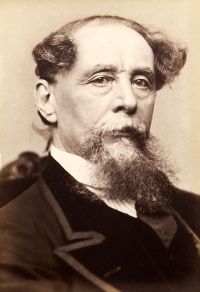
Portrait of Charles Dickens Charles Dickens Bleak House — Chapter XLVII: Jo's Will (1852)

Jarndyce many a time, and Allan Woodcourt almost always, both thinking, much, how strangely fate has entangled this rough outcast in the web of very different lives. There, too, the trooper is a frequent visitor, filling the doorway with his athletic figure and, from his superfluity of life and strength, seeming to shed down temporary vigour upon Jo, who never fails to speak more robustly in answer to his cheerful words.
Source: Wikisource

Portrait of Charles Dickens Charles Dickens Bleak House — Chapter XLVII: Jo's Will (1852)

Generally, what kind of man?”
“Why, then I’ll tell you, sir,” returns the trooper, stopping short and folding his arms on his square chest so angrily that his face fires and flushes all over; “he is a confoundedly bad kind of man. He is a slow-torturing kind of man. He is no more like flesh and blood than a rusty old carbine is. He is a kind of man—by George!—that has caused me more restlessness, and more uneasiness, and more dissatisfaction with myself than all other men put together. That’s the kind of man Mr. Tulkinghorn is!”
“I am sorry,” says Allan, “to have touched so sore a place.”
Source: Wikisource

Portrait of Charles Dickens Charles Dickens Bleak House — Chapter XLVII: Jo's Will (1852)

It requires no discernment to perceive that he is warmed and refreshed. If a face so shaded can brighten, his face brightens somewhat; and by little and little he eats the slice of bread he had so hopelessly laid down. Observant of these signs of improvement, Allan engages him in conversation and elicits to his no small wonder the adventure of the lady in the veil, with all its consequences. Jo slowly munches as he slowly tells it.
Source: Wikisource

Get perspective with Kwize: daily news enlightened by great literature