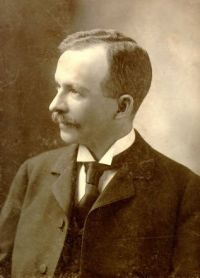
Charles W. Chesnutt

Charles W. Chesnutt

Summary

Portrait of Charles W. Chesnutt Charles W. Chesnutt The Marrow of Tradition — VI. (1901)

On the way homeward Miller told his wife of this appointment. She was greatly interested; she was herself a mother, with an only child. Moreover, there was a stronger impulse than mere humanity to draw her toward the stricken mother. Janet had a tender heart, and could have loved this white sister, her sole living relative of whom she knew. All her life long she had yearned for a kind word, a nod, a smile, the least thing that imagination might have twisted into a recognition of the tie between them.
Source: Wikisource

Portrait of Charles W. Chesnutt Charles W. Chesnutt The Marrow of Tradition — VI. (1901)

He found the mother, the doctor, and the nurse still grouped, as he had left them, around the suffering child.
"How is he now?" he asked, in a voice that sounded like a groan.
"No better," replied the doctor; "steadily growing worse. He can go on probably for twenty minutes longer without an operation."
"Where is the doctor?" demanded Mrs. Carteret, looking eagerly toward the door. "You should have brought him right upstairs. There's not a minute to spare! Phil, Phil, our child will die!"
Source: Wikisource

Portrait of Charles W. Chesnutt Charles W. Chesnutt The Marrow of Tradition — VI. (1901)

Carteret would have hastened back to the scene of the riot, to see what was now going on, and to make another effort to stem the tide of bloodshed; but before the dread of losing his child, all other interests fell into the background. Not all the negroes in Wellington could weigh in the balance for one instant against the life of the feeble child now gasping for breath in the house behind him.
Source: Wikisource

Get perspective with Kwize: daily news enlightened by great literature