A riot, in literary terms, denotes a sudden, violent outburst by a crowd, often mirroring societal tensions or collective unrest. Authors have long examined this theme through diverse perspectives: Victor Hugo contrasted riots with the destructiveness of war, while Anna E. Dickinson portrayed them as chaotic threats to civilian life.
Edgar Lee Masters depicted riots as symbolic disturbances, and Georg Ebers imbued them with surreal, almost mythic vitality. These differing portrayals highlight the concept's complexity, connecting it to broader themes of resistance, power, and human vulnerability, illustrating riots as both drivers of transformation and precursors to disorder.
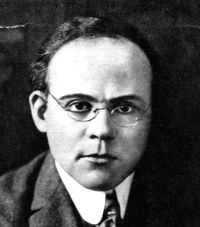 Edgar Lee Masters,
Songs and Satires
Edgar Lee Masters,
Songs and Satires