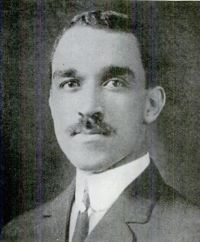
Theodore D. Jervey, a distinguished African American scholar and writer of the late 19th and early 20th centuries, is best known for his seminal work The Slave Trade, a controversial text addressing racial inequality, civil rights, and the socio-political challenges faced by Black Americans. His writings explore themes of justice, education, and the struggle against institutionalized oppression, frequently questioning dominant perspectives on race and labor.
Through sharp analyses of segregation, lynching, and economic inequality, Jervey promoted Black self-determination and legal equality. His work remains a vital reference in conversations about African American history and civil rights, illustrating both the pressing concerns of his time and the lasting significance of his arguments. Jervey’s legacy is closely connected to figures such as W. E. B. Du Bois and Carter G. Woodson, placing him within a wider tradition of Black intellectual resistance and advocacy.