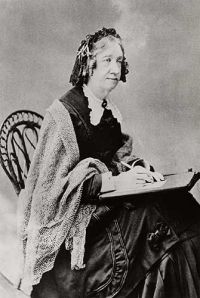
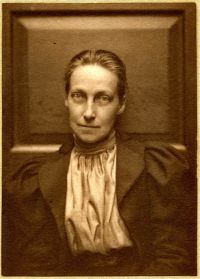
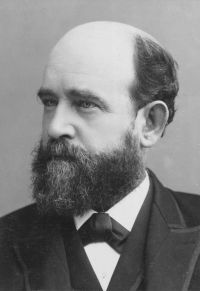
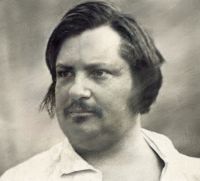
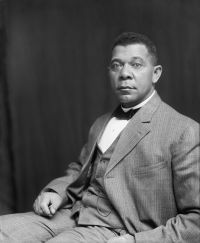
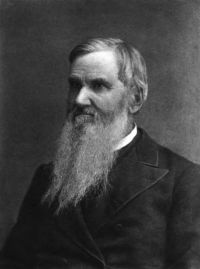
Social equality refers to a societal condition in which all individuals have equal rights, freedoms, and standing, without discrimination based on characteristics such as gender, ethnicity, or social class. This idea has been examined from various perspectives: Mikhail Bakunin associated it with liberty and justice, Jean-Jacques Rousseau distinguished between natural equality and artificially created hierarchies, and Henri Barbusse highlighted equality as a concrete social reality.
These viewpoints illustrate the theme's progression from abstract principles to real-world efforts to achieve fairness. The quest for social equality continues to be a complex interaction between legal structures, historical activism, and persistent challenges to entrenched inequalities.
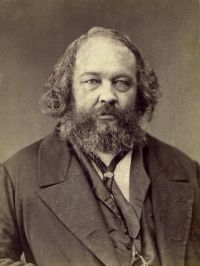 Mikhail Bakunin,
Where I Stand
(1862)
Mikhail Bakunin,
Where I Stand
(1862)