Summary

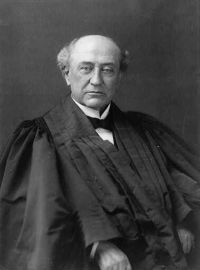
Portrait of David Josiah Brewer David Josiah Brewer Cherokee Nation v. Journeycake…

If the lands of the Nation were and are the common property of citizens, then no citizen can be deprived of his or her right and interest in the property without doing an injustice, and without a violation of the constitution, which we are equally bound to observe and defend. While the lands remain common property, all citizens have an equal right to the use of it. When any of the land is sold under provisions of treaty, all citizens have an equal right to the proceeds of their joint property, whether divided per capita or invested.
Source: Wikisource

Portrait of David Josiah Brewer David Josiah Brewer Cherokee Nation v. Journeycake…

If nothing were presented other than the language of the agreement, the conclusion would seem irresistible that the registered Delawares-that is, those of the tribe who chose to remove from Kansas to the Indian Territory-were not only to become members of the Cherokee Nation, but also to stand equal with the native Cherokees in all the rights springing out of citizenship in the Cherokee Nation. Whatever rights the Cherokees had the registered Delawares were to have, and it was an equality not limited to the living Delawares
Source: Wikisource

Portrait of David Josiah Brewer David Josiah Brewer Cherokee Nation v. Journeycake…

Considered as such, so long as each individual Indian, whether Delaware or Cherokee, had his particular tract for occupancy as a home, it was not unnatural or unequal that the vast body of the lands not thus specifically and personally appropriated should be treated as the common property of the nation, in respect to which all who were members thereof, whether by birth or adoption, should be entitled to equal rights and privileges. That there might come a time when an allotment in severalty would be advisable was something that was contemplated and provided for
Source: Wikisource

Get perspective with Kwize: daily news enlightened by great literature