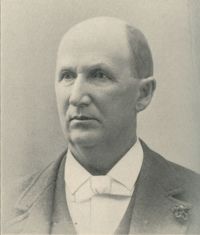
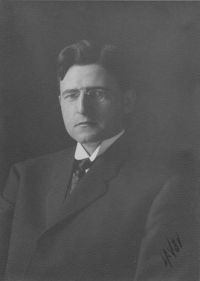
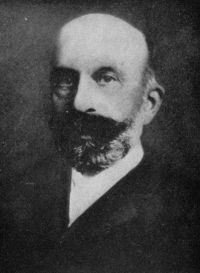
Common property refers to resources or assets collectively owned or accessible by a community, distinct from private ownership. This concept has been examined by philosophers and legal scholars, such as Henry George, who argued that land value taxation aligns with communal interests, and Pierre-Joseph Proudhon, who critiqued property as a societal hindrance, advocating for possession over exclusive control.
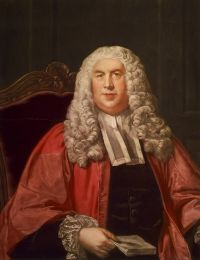
Authors like William Blackstone and Wesley Hohfeld explored its legal foundations, while others connected it to social equity and public welfare. The 1919 film Common Property shares the name but focuses on individual stories, contrasting with the broader theoretical discussions on shared resources and their management.
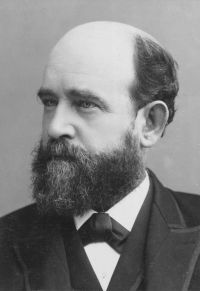 Henry George,
Progress and Poverty (George)…
(1879)
Henry George,
Progress and Poverty (George)…
(1879)