Summary

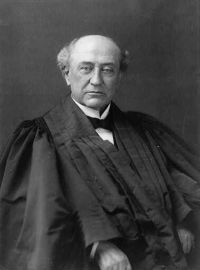
Portrait of David Josiah Brewer David Josiah Brewer Hicks v. United States/Dissent Brewer…

It is undisputable that, where the government calls an accomplice, it is the right, if not the duty, of the court to call the attention of the jury to his relationship to the case, and the bearing which such relationship has upon his credibility. If it may and ought to do that to protect the defendant against the danger of perjury on the part of witnesses of the government, may it not, and ought it not, to do the same to protect the government against the at least equal danger of perjury on the defendant's part?
Source: Wikisource

Portrait of David Josiah Brewer David Josiah Brewer Hicks v. United States/Dissent Brewer…

It seems to me that great injustice is being done to the government, and wrong to the public, when verdicts of guilty are set aside by reason of an omission from the charge which probably did not mislead the jury; which would unquestionably have been corrected, if called to the attention of the court; which was not specially excepted to; which affects but one proposition among many, all of which were challenged by only a single exception running to them as an entirety
Source: Wikisource

Portrait of David Josiah Brewer David Josiah Brewer Hicks v. United States/Dissent Brewer…

I understand the court to concede that the rule is substantially as I have claimed, but hold that it is inapplicable here, and that, in order to present a just view of the error complained of, it was necessary, or at least useful, to cite the entire passage of the charge that covered it. The law is good, but it ought not to be enforced. When, as here, the entire charge is preserved in the record, it is not necessary to extend an exception to a whole page, in order to see the bearing of the particular matter of alleged error.
Source: Wikisource

Get perspective with Kwize: daily news enlightened by great literature