“ But, my dear, don't humiliate me any more. I know that you are giving me all a woman can give a man. And it is sweet of you to forgive me; I don't deserve to be forgiven. There, dry your eyes. Let me dry them for you. Never, never, I hope, will you cry again because of me."Edith's sobbing had ceased, and with a woman's instinct she began to repair with deft fingers the little disorder of her dress."Oh, I will love you so, my darling!" she whispered. "We shall be happy; I know we shall be happy. And when I give you the best gift of all, when I give you a child, and another child...." ”
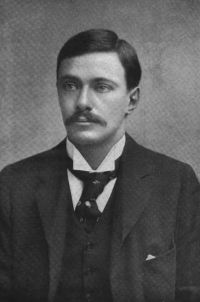
E. F. Benson
Summary
E. F. Benson’s Arundel is a novel examining the complex interplay of love, loyalty, and creative devotion through the lives of its central characters: Edith, Elizabeth, Edward, and their intertwined relationships.
Set against the backdrop of social customs such as croquet, dinner, and piano recitals, the narrative explores themes of jealousy, patience, and the transformative influence of music, as reflected in Elizabeth’s emotional evolution and her intricate connection with Edith. The story highlights the conflict between personal aspirations and moral obligation, ultimately reaching a harmonious blend of emotional and artistic fulfillment that ensures its lasting appeal.
Quotes from Arundel (E. F. Benson)
“ Elizabeth sat down, then half-rose again, and gave a twirl to the music-stool. Then she paused for a moment, with her hands before her face, and without any preliminary excursions, plunged straight into the first Novelette again. And all that had been in Edward's brain, all that could not communicate itself to his hands, streamed from her firm, soft finger-tips. The images imprisoned in his brain broke out and peopled the room with colour and with fire. Banners waved, and a throng of laughing youths passed, jewel-decked, in wonderful processions down a street of noble palaces. ”
“ Elizabeth laid her hand on his knee."Daddy dear, I believe in all things living and beautiful, and true. Don't take it to heart—pray don't. Does—does the blossom know what fruit is coming? But surely the fruit comes."Swiftly, suddenly at this supreme instant of sunset, all the world was changed; it was as if it passed into the heart of an opal. The dust of the main road into which the two had just turned was transfigured into mist of gold and rose; the wayfarers who passed along, plodding home with camels and mild-eyed buffaloes, were changed into citizens of some rainbow-kingdom. ”
