Sir Henry

Definition and stakes

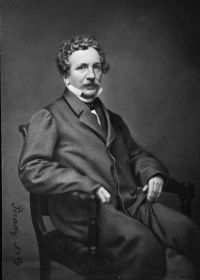
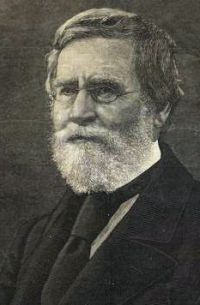
Portrait of Alfred John Church Alfred John Church,  Henry the Fifth

“ Henry himself commanded in the centre, a conspicuous object to all eyes. He was not one of the kings who went into a battle disguised. There was doubtless a personal taste for splendour and ornament shown in his dress and accoutrements; but he was also impressed with the belief that a king must be, and show himself to be, the foremost fighter as well as the leader of his army. He wore a surcoat which with its gay blazonry set forth his claim to the double throne, showing as it did the lilies of France and the leopards of England. His helmet was circled with a rich crown of gold. ”
Source: Gutenberg

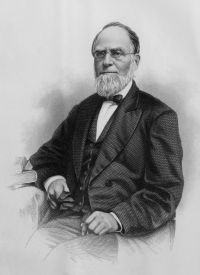
Arthur D. Innes,  Ten Tudor Statesmen

“ Two months before Henry completed his eighteenth year, his father’s death placed him on the throne of England—successor to a king whose later years had been conspicuously sordid and gloomy. Spring with its pulsing, generous life, followed the sapless dreariness of winter. So men dreamed, and so probably Henry reckoned, himself. Ugly things like Empson and Dudley were to vanish into limbo; the king would celebrate his marriage royally—and follow that up by some splendid martial achievement. ”
Source: Gutenberg

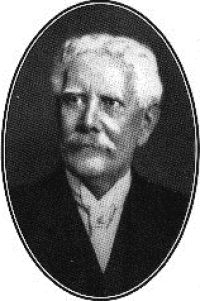
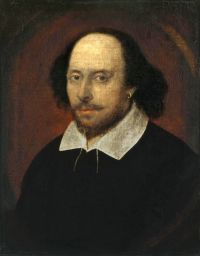
Portrait of William Shakespeare William Shakespeare,  King Henry VI, the third part

“ CLIFFORD.
Here burns my candle out; ay, here it dies,
Which whiles it lasted gave King Henry light.
O Lancaster, I fear thy overthrow
More than my body’s parting with my soul!
My love and fear glued many friends to thee;
And, now I fall, thy tough commixtures melts,
Impairing Henry, strengthening misproud York.
The common people swarm like summer flies;
And whither fly the gnats but to the sun?
And who shines now but Henry’s enemies?
O Phoebus, hadst thou never given consent
That Phaëthon should check thy fiery steeds,
Thy burning car never had scorched the earth!
”
Source: Gutenberg

Get perspective with Kwize: daily news enlightened by great literature