Summary

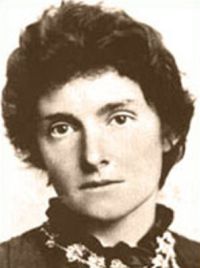
Portrait of E. Nesbit E. Nesbit Salome and the Head — 14. The Death-Night (1909)

A man who has fallen from a cliff and is caught by some kindly stone or bush projecting from the cliff-face, feels at first nothing but the whirling sense that all is lost, and that he is but delayed an instant on the headlong way to death. But before he can feel this more superficially he realises that, if all his thought, all his strength, all his wit and will are raised to their highest power, he may yet live.
Source: Wikisource

Portrait of E. Nesbit E. Nesbit Salome and the Head — 14. The Death-Night (1909)

Then with his foot he reaches out for some support, finds it, ventures to open his eyes, to consider whether, and how, he may change those supports for others—finds a way growing clearer—difficult, dangerous, but still a way—up the cliff face; and so, straining to its utmost every power of mind and body, he slowly, slowly, slowly climbs up, and at last throws himself, half-insensible indeed, but alive, on the smooth safe turf, where the scent of the wild thyme is, and the skylarks sing—and there is a footpath by which living men go home across the fields.
Source: Wikisource

Portrait of E. Nesbit E. Nesbit Salome and the Head — 14. The Death-Night (1909)

At first the thought, the strength, the wit and the will concentrate on one thing: not to move—not to precipitate the disaster. Help may come. But when, presently, he has drawn breath, and feels that his support is firm, he will, since no help comes, dare to shift his position a little—raise a hand a thousandth part of an inch at a time, to feel, very slowly, very cautiously, for some hold for that hand. He grasps a piece of the rock, tries it, finds it firm and trustworthy.
Source: Wikisource

Get perspective with Kwize: daily news enlightened by great literature