“ Eliminate Caligula, and Nero, Domitian, Commodus, Caracalla and Heliogabalus would never have been. It was he who gave them both raison d'etre and incentive. The lives of all of them are horrible, yet analyze the horrible and you find the sublime. Fancy a peak piercing the heavens, shadowing the earth. It was on a peak such as that the young emperors of old Rome balanced themselves, a precipice on either side. Did they look below, a vertigo rose to meet them; from above delirium came, while the horizon, though it hemmed the limits of vision, could not mark the frontiers of their dream. ”
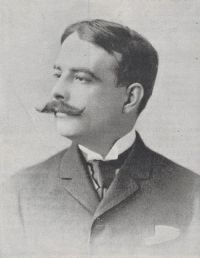
Edgar Saltus
Summary
"Imperial Purple" by Edgar Saltus is a historical narrative exploring the decadence and divine pretensions of Roman emperors, from Caligula to Hadrian. Through vivid depictions of gladiatorial arenas, imperial ceremonies, and the decline of paganism, the work examines the interplay between power, mortality, and the sublime in Rome’s fall.
Central figures like Nero and Claudius embody the paradox of rulers who sought godhood yet hastened their empire’s downfall. Saltus synthesizes the tragic grandeur of a civilization where divinity and violence merged, leaving a legacy of both splendor and ruin.
Quotes from Imperial Purple (Edgar Saltus)
“ The Elysian Fields were vague, wearisome to contemplate; even metempsychosis had no adherents. "After death," said Caesar, "there is nothing," and all the world agreed with him. The hour, too, in which three thousand gods had not a single atheist, had gone, never to return. Old faiths had crumbled. None the less was Rome the abridgment of every superstition. The gods of the conquered had always been part of her spoils. The Pantheon had become a lupanar of divinities that presided over birth, and whose rites were obscene; an abattoir of gods that presided over death, and whose worship was gore. ”
“ An emperor had but to open his veins, and in an hour he was a divinity. But the divinity which Caligula desired was not of that kind. He wished to be a god, not on Olympus alone, but on earth as well. He wished to be a palpable, tangible, living god; one that mortals could see, which was more, he knew, than could be said of the others. The mere wish was sufficient—Rome fell at his feet. The patent of divinity was in the genuflections of a nation. At once he had a temple, priests and flamens. Inexhaustible Greece was sacked again. ”
