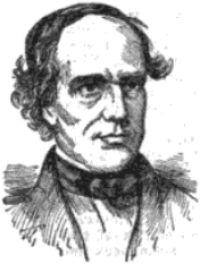
Marcus Aurelius

Definition and stakes

Portrait of Marcus Aurelius Marcus Aurelius,  Meditations (c. 170 - 180)

“ But Marcus Aurelius is neither vulgar nor unctuous; he extenuates nothing, but nothing sets down in malice. He never poses before an audience; he may not be profound, he is always sincere. And it is a lofty and serene soul which is here disclosed before us. Vulgar vices seem to have no temptation for him; this is not one tied and bound with chains which he strives to break. The faults he detects in himself are often such as most men would have no eyes to see. ”
Source: Wikisource

Emperor of Rome Marcus Aurelius,  Meditations

“ But although Marcus Aurelius may have held intellectually that his soul was destined to be absorbed, and to lose consciousness of itself, there were times when he felt, as all who hold it must sometimes feel, how unsatisfying is such a creed. Then he gropes blindly after something less empty and vain. 'Thou hast taken ship,' he says, 'thou hast sailed, thou art come to land, go out, if to another life, there also shalt thou find gods, who are everywhere.' There is more in this than the assumption of a rival theory for argument's sake. ”
Source: Gutenberg

Portrait of Marcus Aurelius Marcus Aurelius,  Meditations (c. 170 - 180)

“ But Marcus Aurelius knows that what the heart is full of, the man will do. 'Such as thy thoughts and ordinary cogitations are,' he says, 'such will thy mind be in time.' And every page of the book shows us that he knew thought was sure to issue in act. He drills his soul, as it were, in right principles, that when the time comes, it may be guided by them. To wait until the emergency is to be too late. ”
Source: Wikisource

Get perspective with Kwize: daily news enlightened by great literature