“ One day is so like another that to see one is to have seen all. The length of the Corso there saunters listlessly an idle, cloak-wrapt, hands-in-pocket-wearing, cigar-smoking, shivering crowd, composed of French soldiers and the rif-raff of Rome, the proportion being one of the former to every two or three of the latter. The balconies, which grow like mushrooms on the fronts of every house, in all out-of-the-way places and positions, are every now and then adorned with red hangings. ”
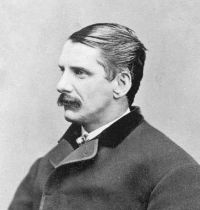
Edward Dicey
Summary
Edward Dicey’s Rome in 1860 offers a vivid, unflinching portrait of the city during a pivotal moment in its history, blending social observation with political critique. Written amid the tensions of the Risorgimento, the work examines the decline of Roman society, the isolation of the Papal States, and the conflict between tradition and modernity.
Through depictions of crowded streets, squalid markets, and empty pageantry—such as the Carnival’s “web of colour, mirth, and folly”—Dicey contrasts Rome’s romanticized image with its grim realities, including poverty, corruption, and the oppressive presence of foreign troops. The text synthesizes the city’s contradictions, revealing a society caught between its historical grandeur and the pressing demands of a changing world.
Quotes from Rome in 1860 (Edward Dicey)
“ The dark, gloomy shops varying in size between a coach-house and a wine-vault, have their wide shutter-doors flung open to the streets. A feeble lamp hung at the back of every shop you pass, before a painted Madonna shrine, makes the darkness of their interiors visible. The trades of Rome are primitive and few in number. Those dismembered, disembowelled carcases, suspended in every variety of posture, denote the butchers’ shops; not the pleasantest of sights at any time, least of all in Rome, where the custom of washing the meat after killing it seems never to have been introduced. ”
“ There are things in the world which allow of no description, and of such things a true Roman carnival is one. You might as well seek to analyze champagne, or expound the mystery of melody, or tell why a woman pleases you. The strange web of colour, beauty, mirth, wit, and folly, is tangled so together that common hands cannot unravel it. To paint a carnival without blotching, to touch it without destroying, is an art given unto few, I almost might say to none, save to our own wondrous word-wizard, who dreamt the “dream of Venice,” and told it waking. ”
