Summary

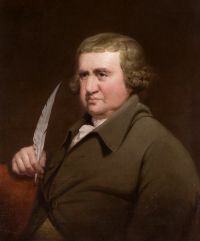
Portrait of Erasmus Darwin Erasmus Darwin Zoonomia, or, the Laws of Organic Life… (1796)

What induces the bee who lives on honey to lay up vegetable powder for its young? What induces the butterfly to lay its eggs on leaves, when itself feeds on honey? What induces the other flies to seek a food for their progeny different from what they consume themselves? If these are not deductions from their own previous experience or observation, all the actions of mankind must be resolved into instinct.
Source: Wikisource

Portrait of Erasmus Darwin Erasmus Darwin Zoonomia, or, the Laws of Organic Life… (1796)

If the genial warmth of the spring produced the passion of love, as it expands the foliage of trees, all other animals should feel its influence as well as birds: but, the viviparous creatures, as they suckle their young, that is, as they previously digest the natural food, that it may better suit the tender stomachs of their offspring, experience the influence of this passion at all seasons of the year, as cats and bitches.
Source: Wikisource

Portrait of Erasmus Darwin Erasmus Darwin Zoonomia, or, the Laws of Organic Life… (1796)

The mother-turkey, when she eyes a kite hovering high in air, has either seen her own parents thrown into fear at his presence, or has by observation been acquainted with his dangerous designs upon her young. She becomes agitated with fear, and uses the natural language of that passion, her young ones catch the fear by imitation, and in an instant conceal themselves in the grass.
Source: Wikisource

Get perspective with Kwize: daily news enlightened by great literature