Summary

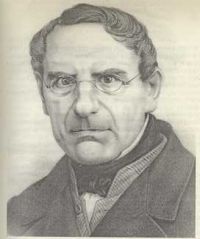
Portrait of Francesco Domenico Guerrazzi Francesco Domenico Guerrazzi Isabella Orsini: A Historical Novel of the Fifteenth Century

Suddenly, as if speaking to himself he said:
"These waves, which pass so rapidly before my eyes, will certainly grow quiet in the sea; but where go the human souls which pass away no less swiftly?"
"Wherever it pleases the mercy of God," replied Isabella.
"Mercy! Say rather to whatever place we may deserve by the works and merits which we perform during this passage to the tomb which we call life."
"My dear Giordano, let no human creature presume to save himself by his own merits. What should we be, if God did not assist us?"
"You confide much in the mercy of God?"
Source: Gutenberg

Portrait of Francesco Domenico Guerrazzi Francesco Domenico Guerrazzi Isabella Orsini: A Historical Novel of the Fifteenth Century

I dug with my own hands the abyss wherein I fell ... and I was lost. When I awoke from that dream, I saw my house full of shame, and before me a most degraded man, and myself more degraded than he. The harvest of guilt was fully reaped by me;—bitter tears, ineffable grief, contempt for myself, repentance, late indeed, but great, deep, and such a one that God may have seen equalled, but never greater."
"And was the time long that you lived in sin?" inquired the confessor, with a harsh, slow voice.
"Oh, Father, enough ... seek no more, if you do not wish to see me die of shame at your feet."
Source: Gutenberg

Portrait of Francesco Domenico Guerrazzi Francesco Domenico Guerrazzi Isabella Orsini: A Historical Novel of the Fifteenth Century

But how can I hope that God will pardon my crime? I will weep day and night—I will expiate my sin with blood, and appeased Justice will not forbid Mercy to join in Heaven those whom sin has separated on earth. But—the Mother of Christ pardon me the prayer—if in the life beyond the tomb we may not be united, may you at least, my son, be admitted into Paradise; in eternal torments, it will still be some comfort to your mother to know that you are happy in the abode of the blessed.
Source: Gutenberg

Get perspective with Kwize: daily news enlightened by great literature