Summary

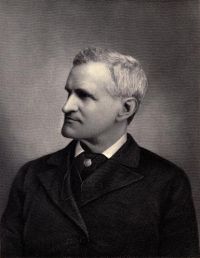
Portrait of Francis Parkman Francis Parkman France and England in North America…

Barefoot and tattered, they toiled on with indomitable pluck and cheerfulness, doing the work which oxen could not do, with no comfort but their daily dram of New England rum, as they plodded through the marsh and over rocks, dragging the ponderous guns through fog and darkness. Their spirit could not save them from the effects of excessive fatigue and exposure. They were ravaged with diarrhœa and fever, till fifteen hundred men were at one time on the sick-list, and at another, Pepperrell reported that of the four thousand only about twenty-one hundred were fit for duty.
Source: Gutenberg

Portrait of Francis Parkman Francis Parkman France and England in North America…

This was no less than the capture of Louisbourg, reputed the strongest fortress, French or British, in North America, with the possible exception of Quebec, which owed its chief strength to nature, and not to art.
Louisbourg was a standing menace to all the northern British colonies. It was the only French naval station on the continent, and was such a haunt of privateers that it was called the American Dunkirk. It commanded the chief entrance of Canada, and threatened to ruin the fisheries, which were nearly as vital to New England as was the fur-trade to New France.
Source: Gutenberg

Portrait of Francis Parkman Francis Parkman France and England in North America…

Looking through its small, quaint window-panes, one could see across the water the rude dwellings of fishermen along the shore of Newcastle, and the neglected earthwork called Fort William and Mary, that feebly guarded the river’s mouth. In front, the Piscataqua, curving southward, widened to meet the Atlantic between rocky headlands and foaming reefs, and in dim distance the Isles of Shoals seemed floating on the pale gray sea.
Source: Gutenberg

Get perspective with Kwize: daily news enlightened by great literature