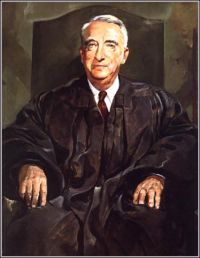
 Fred M. Vinson,
Walling v. United States (331 U.S. 17…
Fred M. Vinson,
Walling v. United States (331 U.S. 17…
“ One was to multiply his straight-time hours of work by a specified basic hourly rate, and his overtime hours by one and one-half that rate, and add the products. The other was to multiply the number of jobs done by a specified piecework rate. The employee was entitled to be paid the greater of these two sums. [15] The method of computing the amount due at piece-work rates, which were constant for work done on both straight-time and overtime hours, of course negated any possible inference that the payment of such amount contemplated legal overtime compensation. ”
