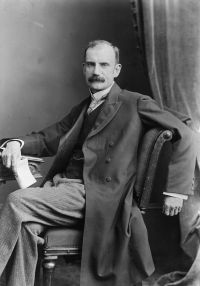
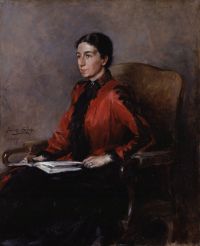
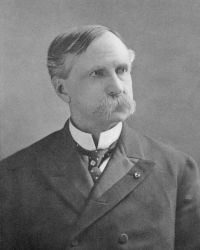
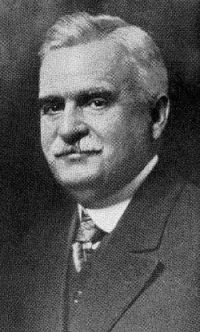
Overtime refers to work carried out beyond regular hours, often linked to discussions on labor rights, economic productivity, and managerial control. Authors such as Lynden Livingston Macassey stressed management's power to assign extra hours, while Charles DeLano Hine viewed it as essential for business operations, warning against haphazard cost reductions. Sir James Marchant proposed double pay to encourage workers to choose overtime voluntarily, differing from Sir Alfred Hopkinson’s note that many depend on additional hours to earn a decent income.
Legal viewpoints, such as those from William Jefferson Clinton and Isaac McBride, pointed out gaps and restrictions in regulations, while Alfred Williams revealed social pressures that push employees into working beyond their usual time. These differing perspectives highlight how overtime continues to be a complex area where labor economics, policy, and personal choice intersect.
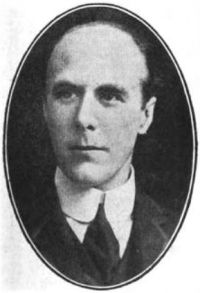 Lynden Livingston Macassey,
Labour policy—false and true
(1922)
Lynden Livingston Macassey,
Labour policy—false and true
(1922)