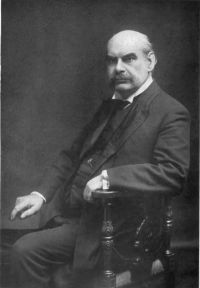
 Frederick Corder,
A Dictionary of Music and Musicians
(1900)
Frederick Corder,
A Dictionary of Music and Musicians
(1900)
“ Every one, as we have already said, can understand a song or piece where a half-close occurs at each fourth and a whole close at each eighth bar, where it is expected; but when an uneducated ear is continually being disappointed and surprised by unexpected prolongations and alterations of rhythm, it soon grows confused and unable to follow the sense of the music. Quick music naturally allows—indeed demands—more variety of rhythm than slow, and we can scarcely turn to any Scherzo or Finale of the great composers where such varieties are not made use of. ”
