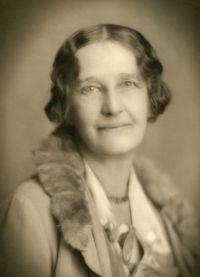
G. B. Lancaster

G. B. Lancaster

Summary

Portrait of G. B. Lancaster G. B. Lancaster The Story of Wi (1905)

It calls all men equal. Then am I not a man? Yet am I like a man, though some say I am liker a bullock. But if the pakeha is not for the Maori, then is the pakeha’s religion not for the Maori. Thy God shall be thy God, and thy God only. And thy maidens shall be thine, and thine only. It is quite plain. Oh, most truthfully does the white man call the brown his brother!”
“The Little White Girl,” thought Lane; and under his breath he did not wish her well. “Just so, Wi. You are not a man. You are a child that cries and beats the earth because it is not smooth as a passion-fruit rind.”
Source: Wikisource

Portrait of G. B. Lancaster G. B. Lancaster The Story of Wi (1905)

But he came again to his feet unhurt, and Wi stood still. It was a mightier self-control than Lane had seen in a man before.
“I beg your pardon most earnestly, Wi,” he said.
“Do you riot see”—Wi paid out his words as if each gave him separate pain—“that this is the foreword of all? The white and the black are meant to be two peoples forever. And your faith teaches that they are one. Then is your faith false that I have loved. There is no future for the Maori. He has sloughed his religion, and that of the pakeha is not for him. What shall I go into the pas and kiangas to teach my people?”
Source: Wikisource

Portrait of G. B. Lancaster G. B. Lancaster The Story of Wi (1905)

Lane had thought to tell Wi fearfully of the disgrace that awaited him. Very nearly, he laughed to remember. When a man has lost his hold on eternity he does not regard the wrath of his kind.
A Maori is generally dignified—even in European clothes. The tragedy of a dying race was in Wi just then. Lane watched the impassive dark face where the light from the little window touched it, and his voice was broken.
Source: Wikisource

Get perspective with Kwize: daily news enlightened by great literature