Summary

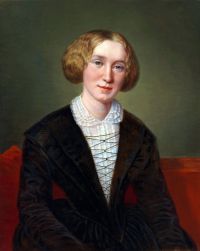
Portrait of George Eliot George Eliot The Mill on the Floss — Book 6… (1860)

Stephen mastered the little hand that was straying toward the table, and touched it lightly with his lips. Little Lucy felt very proud and happy. She and Stephen were in that stage of courtship which makes the most exquisite moment of youth, the freshest blossom-time of passion,–when each is sure of the other's love, but no formal declaration has been made, and all is mutual divination, exalting the most trivial word, the lightest gesture, into thrills delicate and delicious as wafted jasmine scent. The explicitness of an engagement wears off this finest edge of susceptibility
Source: Wikisource

Portrait of George Eliot George Eliot The Mill on the Floss — Book 6… (1860)

Was not Stephen Guest right in his decided opinion that this slim maiden of eighteen was quite the sort of wife a man would not be likely to repent of marrying,–a woman who was loving and thoughtful for other women, not giving them Judas-kisses with eyes askance on their welcome defects, but with real care and vision for their half-hidden pains and mortifications, with long ruminating enjoyment of little pleasures prepared for them?
Source: Wikisource

Portrait of George Eliot George Eliot The Mill on the Floss — Book 6… (1860)

The desire to know that one has not looked an absolute fright during a few hours of conversation may be construed as lying within the bounds of a laudable benevolent consideration for others. And Lucy had so much of this benevolence in her nature that I am inclined to think her small egoisms were impregnated with it, just as there are people not altogether unknown to you whose small benevolences have a predominant and somewhat rank odor of egoism.
Source: Wikisource

Get perspective with Kwize: daily news enlightened by great literature