Summary

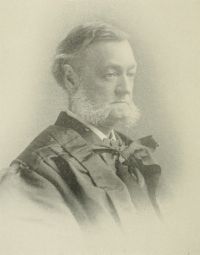
Portrait of George Shiras, Jr. George Shiras, Jr. Lewis v. United States (146 U.S. 370…

As every one must be sensible what sudden impressions and unaccountable prejudices we are apt to conceive upon the bare looks and gestures of another, and how necessary it is that a prisoner (when put to defend his life) should have a good opinion of his jury, the want of which might totally disconcert him, the law wills not that he should be tried by any one man against whom he has conceived a prejudice, even without being able to assign a reason for such his dislike.
Source: Wikisource

Portrait of George Shiras, Jr. George Shiras, Jr. Lewis v. United States (146 U.S. 370…

While this rule has at times, and in the cases of misdemeanors, been somewhat relaxed, yet in felonies it is not in the power of the prisoner, either by himself or his counsel, to waive the right to be personally present during the trial. 'It would be contrary to the dictates of humanity to let him waive the advantage which a view of his sad plight might give him by inclining the hearts of the jurors to listen to his defense with indulgence.' Prine v.
Source: Wikisource

Portrait of George Shiras, Jr. George Shiras, Jr. Lewis v. United States (146 U.S. 370…

Thus reading the record, and holding, as we do, that making of challenges was an essential part of the trial, and that it was one of the substantial rights of the prisoner to be brought face to face with the jurors at the time when the challenges were made, we are brought to the conclusion that the record discloses an error for which the judgment of the court must be reversed.
The right of challenge comes from the common law with the trial by jury itself, and has always been held essential to the fairness of trial by jury.
Source: Wikisource

Get perspective with Kwize: daily news enlightened by great literature