Summary

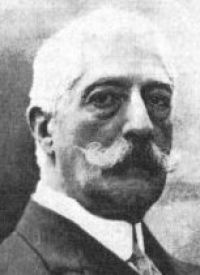
Portrait of Giovanni Verga Giovanni Verga,  Under the Shadow of Etna — Jeli…

“ At first Jeli called the young nobleman eccellenza—your excellence—as is the custom in Sicily, but after they had had one good quarrel their friendship was established on a solid basis. Jeli taught his friend how to climb up to the magpies' nests on the tiptop of the walnut-trees, higher than the campanile of Licodia, to knock down a sparrow on the wing with a stone, and to mount with one spring on the bare backs of his half-wild animals, seizing by the mane the first that came within reach, without being frightened by the wrathful whinnyings and the desperate leaps of the untrained colts. ”
Source: Wikisource

Portrait of Giovanni Verga Giovanni Verga,  Under the Shadow of Etna — Jeli…

“ Jeli kept saying to the boy, who was helping him drive the herd. "And in every place there is feasting and light, and throughout the whole campagna you can see fireworks."
The boy was half asleep as he forced one leg after the other, and he made no response; but Jeli, who felt his blood stir within him at the sound of that bell, could not keep quiet, as if each one of those rockets that left their silent shining trails on the darkness behind the mountains burst forth from his soul.
"Mara also must be going to the festa of Saint John," he said, "because she goes every year."
”
Source: Wikisource

Portrait of Giovanni Verga Giovanni Verga,  Under the Shadow of Etna — Jeli…

“ During the winter time, Mara dared not put her nose out of doors, it was so cold. Sometimes toward evening could be seen the smoke of Jeli's fires of sumach wood, which he built on the Piano del lettighiere, or on the Poggio di Macca, so as not to perish of the cold, like the tomtits which he sometimes found in the morning behind some rock, or in the shelter of a clod. The horses also found pleasure in dangling their tails around the fire, and they would cuddle close together so as to be warmer. ”
Source: Wikisource

Get perspective with Kwize: daily news enlightened by great literature