Summary

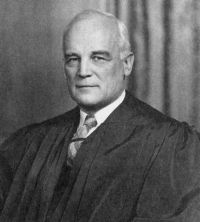
Portrait of Harold Hitz Burton Harold Hitz Burton Bridges v. United States — Opinion of the Court

In that offense, as in the comparable offense of perjury, fraud is not an essential ingredient. The offense is complete without proof of fraud, although fraud often accompanies it. The above-cited cases show that even though the offense may be committed in a pecuniary transaction involving a financial loss to the Government, that fact, alone, is not enough to suspend the running of the three-year statute of limitations. Under the doctrine of these cases, the suspension does not apply to the offense charged unless, under the statute creating the offense, fraud is an essential ingredient of it.
Source: Wikisource

Portrait of Harold Hitz Burton Harold Hitz Burton Bridges v. United States — Opinion of the Court

A. The suspension prescribed by the Wartime Suspension of Limitations Act applies to offenses involving the defrauding of the United States or any agency thereof, whether by conspiracy or not, and in any manner, but only where the fraud is of a pecuniary nature or at least of a nature concerning property.
The Wartime Suspension of Limitations Act creates an exception to a longstanding congressional 'policy of repose' that is fundamental to our society and our criminal law.
Source: Wikisource

Portrait of Harold Hitz Burton Harold Hitz Burton Bridges v. United States — Opinion of the Court

The insertion in the indictment of the words 'procured by fraud' does not change the offense charged. The embellishment of the indictment does not lengthen the time for prosecution. It is the statutory definition of the offense that determines whether or not the statute of limitations comes within the Suspension Act.
So it is with Count I. A charge of conspiracy to commit a certain substantive offense is not entitled to a longer statute of limitation than the charge of committing the offense itself.
Source: Wikisource

Get perspective with Kwize: daily news enlightened by great literature