Summary

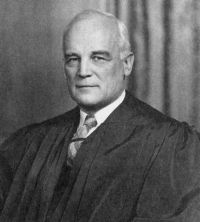
Portrait of Harold Hitz Burton Harold Hitz Burton Duncan v. Kahanamoku — Dissent

The relation of the Constitution of the United States to such a situation is important. Of course, the Constitution is not put aside. It was written by a generation fresh from war. The people established a more perfect union, in part, so that they might the better defend themselves from military attack. In doing so they centralized far more military power and responsibility in the Chief Executive than previously had been done. The Constitution was built for rough as well as smooth roads. In time of war the nation simply changes gears and takes the harder going under the same power.
Source: Wikisource

Portrait of Harold Hitz Burton Harold Hitz Burton Duncan v. Kahanamoku — Dissent

It is important, however, that in reviewing the constitutionality of the conduct of our agencies of government in time of war, invasion and threatened invasion, we do not now make precedents which in other emergencies may handicap the executive branch of the Government in the performance of duties allotted to it by the Constitution and by the exercise of which it successfully defended the nation against the greatest attack ever made upon it.
Source: Wikisource

Portrait of Harold Hitz Burton Harold Hitz Burton Duncan v. Kahanamoku — Dissent

This, however, requires the courts to put themselves as nearly as possible in the place of those who had the constitutional responsibility for immediate executive action. For a court to recreate a complete picture of the emergency is impossible. That impossibility demonstrates the need for a zone of executive discretion within which courts must guard themselves with special care against judging past military action too closely by the inapplicable standards of judicial, or even military, hindsight.
Source: Wikisource

Get perspective with Kwize: daily news enlightened by great literature