Summary

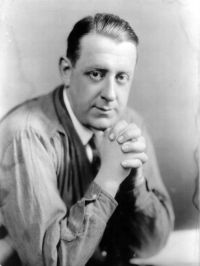
Portrait of Hendrik Willem Van Loon Hendrik Willem Van Loon Ancient Man: The Beginning of Civilizations

Asia Minor and Armenia and Egypt and Northern Arabia and Western Persia and Babylonia became Assyrian provinces. They were ruled by Assyrian governors, who collected the taxes and forced all the young men to serve as soldiers in the Assyrian armies and who made themselves thoroughly hated and despised both for their greed and their cruelty.
Fortunately the Assyrian Empire at its greatest height did not last very long. It was like a ship with too many masts and sails and too small a hull. There were too many soldiers and not enough farmers--too many generals and not enough business men.
Source: Gutenberg

Portrait of Hendrik Willem Van Loon Hendrik Willem Van Loon Ancient Man: The Beginning of Civilizations

Long before any one had dreamed of building a city amidst the swamps of the river Tiber, the kings of Egypt had ruled far and wide and had made their court the center of all civilization.
While the Romans were still savages who chased wolves and bears with clumsy stone axes, the Egyptians were writing books, performing intricate medical operations and teaching their children the tables of multiplication.
This great progress they owed chiefly to one very wonderful invention, to the art of preserving their spoken words and their ideas for the benefit of their children and grandchildren.
Source: Gutenberg

Portrait of Hendrik Willem Van Loon Hendrik Willem Van Loon Ancient Man: The Beginning of Civilizations

The old cities of Egypt have disappeared from the face of the earth. Nineveh and Babylon are deserted mounds of dust and brick. The ancient temple of Jerusalem lies buried beneath the blackened ruins of its own glory.
One city alone has survived the ages.
It is called Damascus.
Within its four great gates and its strong walls a busy people has followed its daily occupations for five thousand consecutive years and the "Street called Straight" which is the city's main artery of commerce, has seen the coming and going of one hundred and fifty generations.
Source: Gutenberg

Get perspective with Kwize: daily news enlightened by great literature