Summary

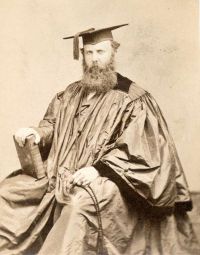
Portrait of Henry Coppée Henry Coppée Appletons' Cyclopædia of American Biography (1892)

Only those generals who gain successes can set up dictators. What I now ask of you is military success, and I will risk the dictatorship. The government will support you to the utmost of its ability, which is neither more nor less than it has done and will do for all commanders. I much fear that the spirit which you have aided to infuse into the army, of criticising their commander and withholding confidence from him, will now turn upon you.
Source: Wikisource

Portrait of Henry Coppée Henry Coppée Appletons' Cyclopædia of American Biography (1892)

George G. Meade, the commander of the 5th corps, who conducted it to Gettysburg, fought Lee there, and drove him back across the Potomac. In his farewell order to the troops, Gen. Hooker acquiesced cheerfully in the action of the government, like a soldier and a patriot, and gave the true significance of the order: “Impressed,” he says, “with the belief that my usefulness as the commander of the Army of the Potomac is impaired, I part from it, yet not without the deepest emotion.”
Source: Wikisource

Portrait of Henry Coppée Henry Coppée Appletons' Cyclopædia of American Biography (1892)

You have confidence in yourself, which is a valuable if not indispensable quality. You are ambitious, which, within reasonable bounds, does good rather than harm; but I think that during Gen. Burnside's command of the army you have taken counsel of your ambition, and thwarted him as much as you could, in which you did a great wrong to the country and to a most meritorious and honorable brother officer. I have heard, in such a way as to believe it, of your recently saying that both the army and the government needed a dictator.
Source: Wikisource

Get perspective with Kwize: daily news enlightened by great literature