Summary

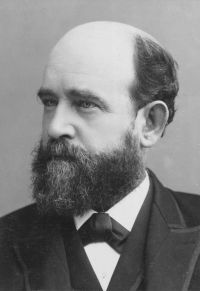
Portrait of Henry George Henry George Progress and Poverty (George)… (1879)

On the land we are born, from it we live, to it we return again - children of the soil as truly as is the blade of grass or the flower of the field. Take away from man all that belongs to land, and he is but a disembodied spirit.
Material progress cannot rid us of our dependence upon land; it can but add to the power of producing wealth from land; and hence, when land is monopolized, it might go on to infinity without increasing wages or improving the condition of those who have but their labour. It can but add to the value of land and to the power that its possession gives.
Source: Wikisource

Portrait of Henry George Henry George Progress and Poverty (George)… (1879)

Everywhere, in all times, among all peoples, the possession of land is the base of aristocracy, the foundation of great fortunes, the source of power. As said the Brahmins, ages ago:
"To whomsoever the soil at any time belongs, to him belong the fruits of it. White parasols and elephants mad with pride are the flowers of a grant of land."
Source: Wikisource

Portrait of Henry George Henry George Progress and Poverty (George)… (1879)

Chapter XIV The persistence of poverty amidst advancing wealth Look over the world today. In countries the most widely differing - under conditions the most diverse as to government, as to industries, as to tariffs, as to currency - you will find distress among the working-classes; but everywhere that you thus find distress and destitution in the midst of wealth you will find that the land is monopolized; that, for its use by labour, large revenues are extorted from the earnings of labour.
Source: Wikisource

Get perspective with Kwize: daily news enlightened by great literature