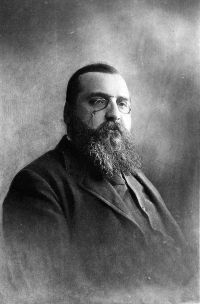
Henry Morse Stephens

Henry Morse Stephens

Summary

Portrait of Henry Morse Stephens Henry Morse Stephens Dictionary of National Biography… (1912)

In short, as stated by a member of a subsequent royal commission thirty years later, 'there are more boys and girls per thousand of population receiving secondary education in Exeter than in any other city in this country, due in no small measure to the improvements carried out largely under Dr. Temple.' The same might be said in its degree of Plymouth, where he was instrumental in founding secondary schools. At Rugby he had already taken part in the temperance movement, which had come into prominence partly owing to the report of the committee of convocation of Canterbury in 1869.
Source: Wikisource

Portrait of Henry Morse Stephens Henry Morse Stephens Dictionary of National Biography… (1912)

A public meeting in the Guildhall at Exeter and the testimonials that emanated from it proved how entirely the bishop had won his way. The clergy of the diocese, who had protested against his election in 1869, almost unanimously signed a memorial of regret at his departure. He was enthroned in St. Paul's in April 1885. He threw himself with his accustomed vigour into the work of the diocese and into all the great social questions of the day. In accordance with his views on self-government he introduced the plan of allowing the clergy to elect their own rural deans.
Source: Wikisource

Get perspective with Kwize: daily news enlightened by great literature