“ Madame Granson’s grief was silent, concentrated, and little understood. There are two forms of mourning for mothers. Often the world can enter fully into the nature of their loss: their son, admired, appreciated, young, perhaps handsome, with a noble path before him, leading to fortune, possibly to fame, excites universal regret; society joins in the grief, and alleviates while it magnifies it. But there is another sorrow of mothers who alone know what their child was really; who alone have received his smiles and observed the treasures of a life too soon cut short. ”
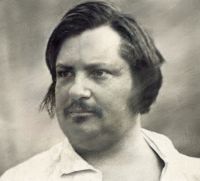
Honoré de Balzac
Summary

“An Old Maid”, is a work by Honoré de Balzac. It explores elements such as Mademoiselle Cormon, du Bousquier and Alencon.
Quotes from An Old Maid (Honoré de Balzac)
“ That sorrow hides its woe, the blackness of which surpasses all other mourning; it cannot be described; happily there are but few women whose heart-strings are thus severed. Before Madame du Bousquier returned to town, Madame du Ronceret, one of her good friends, had driven out to Prebaudet to fling this corpse upon the roses of her joy, to show her the love she had ignored, and sweetly shed a thousand drops of wormwood into the honey of her bridal month. As Madame du Bousquier drove back to Alencon, she chanced to meet Madame Granson at the corner of the rue Val-Noble. ”
“ In a young man of twenty-three the senses count for much in love; their fire produces a sort of prism between his eyes and the woman. From this point of view the clasp with which Beaumarchis’ Cherubin seizes Marceline is a stroke of genius. But when we reflect that in the utter isolation to which poverty condemned poor Athanase, Mademoiselle Cormon was the only figure presented to his gaze, that she attracted his eye incessantly, that all the light he had was concentrated on her, surely his love may be considered natural. ”
