Summary

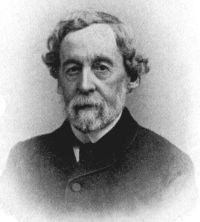
Portrait of Horatio Hale Horatio Hale The Iroquois Book of Rites

Would they, or still more, the Mohawks, so far forget the consideration due to one whose name had been great in the Councils of the League, as to assault the Hurons while he was among them in the character of an ambassador of his nation, whereby his honor would be compromised and his life endangered? 'I am not a dead dog,' he said, 'to be despised and forgotten. I am worthy that all men should turn their eyes on me while I am among enemies, and do nothing that may involve me in danger.' Soon there came dire tidings. The prophetic heart of the old chief had not deceived him.
Source: Gutenberg

Portrait of Horatio Hale Horatio Hale The Iroquois Book of Rites

Hiawatha had long beheld with grief the evils which afflicted not only his own nation, but all the other tribes about them, through the continual wars in which they were engaged, and the misgovernment and miseries at home which these wars produced. With much meditation he had elaborated in his mind the scheme of a vast confederation which would ensure universal peace. In the mere plan of a confederation there was nothing new. There are probably few, if any, Indian tribes which have not, at one time or another, been members of a league or confederacy.
Source: Gutenberg

Portrait of Horatio Hale Horatio Hale The Iroquois Book of Rites

We can now see that the plan of universal federation and general peace which Hiawatha devised had nothing in itself so surprising as to excite our incredulity. It was, indeed, entirely in accordance with the genius of his people. Its essence was the extension to all nations of the methods of social and civil life which prevailed in his own nation. If the people of a town of four hundred families could live in constant "peace and friendship," why should not all the tribes of men dwell together in the same manner?
Source: Gutenberg

Get perspective with Kwize: daily news enlightened by great literature