Summary

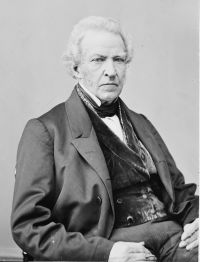
Portrait of James Moore Wayne James Moore Wayne Adams v. Preston — Opinion of the Court

They state, in their answer, that Wade Hampton, of South Carolina, being the owner of Whitehall plantation, in the partish of St. James, in Louisiana, sold it on the 8th April, 1829, to Leroy Pope, for $100,000, payable in twenty years from the first day of January, 1830, with interest at six per cent. per annum, payable annually. That the seller took from Pope a mortgage on the plantation, and also an obligation that he would add to the plantation seventy working hands, and mortgage them to Hampton, with their increase, to secure the payment of Pope's purchase and interest.
Source: Wikisource

Portrait of James Moore Wayne James Moore Wayne Adams v. Preston — Opinion of the Court

The judgments of the Union Bank, if they ever had at any time mortgage rights against the Whitehall plantation, and the slaves upon it, better than the mortgages given by Leroy Pope at the time of his purchase, and which were assumed by Barrett when he bought the property, and which were equally obligatory upon Bell, when himself and Barrett formed their particular partnership in respect to that property, those judgments had been legally cancelled before they were assigned to the plaintiff by the bank.
Source: Wikisource

Portrait of James Moore Wayne James Moore Wayne Adams v. Preston — Opinion of the Court

Amongst the creditors at this meeting who elected the syndics was the Bank of Louisiana, by its representative, its president. In October, after this meeting of the creditors, the heirs of Hampton intervened in the insolvent proceedings, claimed their rights under the mortgages upon Whitehall and upon the negroes; and they took a rule upon Magoffin and Margan, the syndics of the creditors, to show cause why the plantation and negroes should not be sold, and the proceeds applied to the payment of their claim.
Source: Wikisource

Get perspective with Kwize: daily news enlightened by great literature