Summary

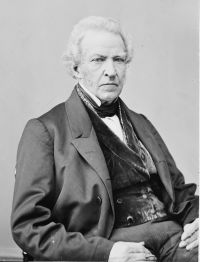
Portrait of James Moore Wayne James Moore Wayne Sampson v. Peaslee — Opinion of the Court

When an entry has been made, it is conclusive upon the importer as to the contents, and declared value of the invoice; and for all of those consequences which the law may impose upon the examination and appraisement of it, and for any deficiency or non-compliance with the revenue laws regulating the entries of imported merchandise, or for any violation or substantial departure from directions which may have been given by the Secretary of the Treasury for the entry and appraisement of foreign goods, and for the collection of duties upon the same.
Source: Wikisource

Portrait of James Moore Wayne James Moore Wayne Sampson v. Peaslee — Opinion of the Court

As to the third exception taken by the plaintiffs to the rulings of the court, we think it was right in telling the jury, that if the examination of the hemp made by the merchant appraiser was such as is usually made in buying and selling the article, and was satisfactory to the merchant appraiser, it was not open to the plaintiffs to show that he adopted a mode of examination insufficient to detect fraudulent packing or diversities in the qualities of the different parts of the bales of hemp.
Source: Wikisource

Portrait of James Moore Wayne James Moore Wayne Sampson v. Peaslee — Opinion of the Court

An importer of merchandise is bound by the law to make his entry at the custom-house according to his invoice, either by himself, the consignee, or their agent, and not otherwise than by invoice verified by oath, unless it shall be done conditionally, either under the tenth section of the act of March 1st, 1823, or under the second section of the same act, permitting entries to be made of imported merchandise, subject to ad valorem duties upon appraisement without invoice.
Source: Wikisource

Get perspective with Kwize: daily news enlightened by great literature