Summary

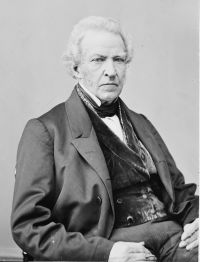
Portrait of James Moore Wayne James Moore Wayne Warner v. Martin — Opinion of the Court

It does not matter that the creditor may not know, when he takes the property, that the factor's principal owns it; that he believed it to be the factor's in good faith. His dealing with his debtor is an attempt between them to have the latter's debt paid by the accord and satisfaction of the common law. That is, when, instead of a sale for a price, a thing is given by the debtor to the creditor in payment, in which we all know that, if the thing given is the property of another, there will be no satisfaction.
Source: Wikisource

Portrait of James Moore Wayne James Moore Wayne Warner v. Martin — Opinion of the Court

As to a factor's power to bind his principal by a disposition of his goods, the common law rule is, 'that, to acquire a good title to the employer's property by purchasing it from his agent, such purchase must have been, either in market overt and without knowledge of the seller's representative capacity, or from an agent acting according to his instructions, or from one acting in the usual course of his employment, and whom the buyer did not know to be transgressing his instructions,' or that he had not such notice as the law deems equivalent to raise that presumption.
Source: Wikisource

Get perspective with Kwize: daily news enlightened by great literature