Summary

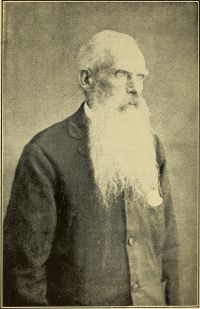
Portrait of James Rodway James Rodway The West Indies and the Spanish Main

This island became a veritable pandemonium—the sink of the West Indies. It was the place of call for rovers of all nations, the market for their booty, and the storehouse for everything in the way of supplies. The merchants pandered to the tastes of their customers, and drinking and gambling went on continually. But in 1638 it was surprised by the Spaniards, who began to be alarmed at this nest of pirates at their very doors. They chose a time when most of the rovers were away on a cruise, and the buccaneers gone hunting in Hispaniola.
Source: Gutenberg

Portrait of James Rodway James Rodway The West Indies and the Spanish Main

As the Indies were the scene of struggles between great nations and the raids of buccaneers, so also was the Mediterranean a battlefield for Christian and Turk, and a centre for piracy.
Reports of golden cities, pearls and emeralds in profusion, and wealth that passed all description, led the Spaniards to explore every island and river, until the cannibals became less alarming. Yet their sufferings were terrible. Hurricanes sunk their frail craft on the sea and earthquakes wrung their very souls on land.
Source: Gutenberg

Portrait of James Rodway James Rodway The West Indies and the Spanish Main

We look upon that beautiful island and feel sad that such a paradise should have fallen so low. As a race the negro has little of that internal power that makes for progress—he must be compelled to move on. Some are inclined to look upon him as in the course of degenerating into the savage, but we, on the contrary, believe him to be progressing slowly.
In the islands belonging to European nations the influence of the dominant power is visible in the negro even when he has no trace of white blood. The French, English, or Dutch negro may be recognised by his manners, and even features.
Source: Gutenberg

Get perspective with Kwize: daily news enlightened by great literature