Summary

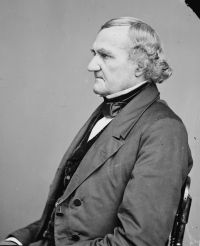
Portrait of John Catron John Catron Berthold v. McDonald — Opinion of the Court

In other words, could the State courts go behind Gratiot's confirmation, and, on evidence, compare his equity with that of Jeannette, and adjudge who the true owner was?
In the case of Doe v. Eslava, (9 How., 421,) this court came to the conclusion, (although it is not distinctly expressed,) that in a contention between double concessions, which balanced each other, proof could be heard, and must of necessity be heard, to determine the better right between the contending parties.
Source: Wikisource

Portrait of John Catron John Catron Berthold v. McDonald — Opinion of the Court

Louis, and of village lots, to possessors, gave a title in fee; and that a claimant, under a Spanish concession subsequently confirmed, could not go behind the act of Congress, and overthrow the legal title it conferred; and this, for the plain reason that neither Chouteau nor Le Bois had any title, when the act of 1812 was passed, that could be asserted in a court of justice; and as the political power from which alone they could take title had cut them off, to that power they must look for redress of the injury, if any existed.
Source: Wikisource

Get perspective with Kwize: daily news enlightened by great literature