Summary

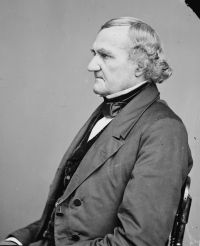
Portrait of John Catron John Catron Hooper v. Scheimer — Opinion of the Court

In the case of an actual and perfect patent, there is no remedy but to set it aside in a court of equity, or in some direct proceeding having that for its direct end and object. It cannot be done in the ordinary progress of a trial at law, on evidence which the party had no means to know would be relied on, and therefore could not be prepared to meet. In other words, you cannot go behind a patent in a trial at law. The patent alone must prevail.
Source: Wikisource

Portrait of John Catron John Catron Hooper v. Scheimer — Opinion of the Court

A claimant, disappointed in obtaining a patent himself, and his adversary having got it, forthwith brings an action of ejectment, and transfers the question to a jury, and reopens it again, with a view of having the patent annulled, in a forum where no issue can be made upon it, nor parties in interest brought before the court. I say again, the whole thing is absurd. If a patent is to be impeached or annulled, it can only be done by a direct proceeding in chancery for that purpose, and where all parties in interest can be brought, and their respective rights ascertained and protected.
Source: Wikisource

Portrait of John Catron John Catron Hooper v. Scheimer — Opinion of the Court

The Commonwealth cannot be divested of her title but by matter of record; and when she has so divested herself, she cannot regularly reinvest herself of the title but by matter of record. If a patent be illegal upon its face, it is itself record evidence of the matter which renders it a nullity; but if it be legal and perfect upon its face, it is a record of the title having passed to the grantee, and it cannot regularly be defeated but by matter of as high a nature.
Source: Wikisource

Get perspective with Kwize: daily news enlightened by great literature