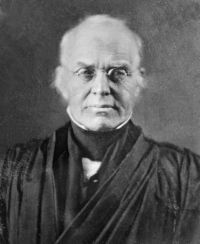
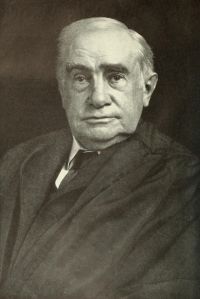
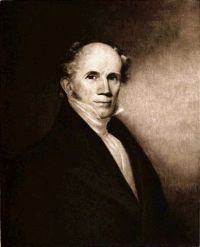
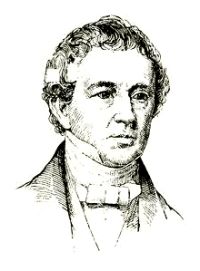
Nullity, in legal and philosophical terms, refers to the condition of being void or invalid, often rendering an act, decision, or institution legally insignificant. This idea has been examined from various perspectives, ranging from the legal precision of Joseph Story, who cautioned against diminishing governmental authority to a "nullity" through excessive procedural skepticism, to the existential reflections of Alexandre Dumas, who compared the fading of memory to "darkness and nullity," contrasting it with the heart's quest for light.
Legal experts such as Henry Billings Brown and Samuel Freeman Miller highlighted the role of nullity in judicial processes, while others, like Georgi Plekhanov, criticized the intrinsic "monstrous void" of legal assumptions. These differing viewpoints emphasize nullity's dual nature—as both a structural weakness in law and a metaphor for human transience.