Summary

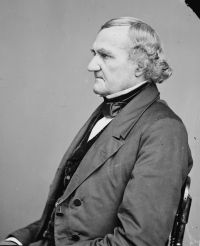
Portrait of John Catron John Catron Morehouse v. Phelps — Opinion of the Court

The question arising in this court upon the record is, who is the 'legal representative' of Guyard, as to the lots in dispute, within the meaning of the statutes of the United States? Phelps claims that he is, by virtue of the letter, or instrument, above set out; Morehouse claims that he is, as administrator of Guyard, he having made the claim to the lots before the board of commissioners, which claim was allowed, and entered them at the land office. The Supreme Court of Illinois have held that, under these statutes, Phelps is the 'legal representative' of Guyard.
Source: Wikisource

Portrait of John Catron John Catron Morehouse v. Phelps — Opinion of the Court

There is no reason, indeed, for supposing the award of the undivided half of these lots to Guyard's legal representatives vested the title in his administrator, except that the claim on behalf of Guyard's legal representatives was presented by Morehouse, and that he was, at the time of exhibiting the claim, the administrator of Guyard. But Guyard's interest in the lots was not vested in him as administrator, any more than his own interest, (with which he necessarily presented Guyard's;)
Source: Wikisource

Portrait of John Catron John Catron Morehouse v. Phelps — Opinion of the Court

Brant. The patent covered the whole title; at least, from the time it was asserted before a board of commissioners appointed by Congress to investigate the claim; and the patent inured to the protection of alienees and heirs. The United States Government was bound to protect existing interests in the lands acquired by the United States from France, by the treaty of 1803.
Here, however, a very different claim to the lands in the town of Galena is set up. The Government was the absolute owner
Source: Wikisource

Get perspective with Kwize: daily news enlightened by great literature