Summary

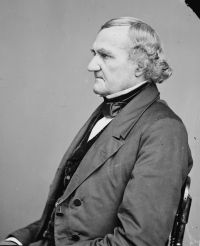
Portrait of John Catron John Catron Nelson v. Carland — Dissent

But if Congress passed the law, it must be uniform throughout the United States, then the entire people are equally represented, and have the power to protect themselves against hasty and mistaken legislation, by its repeal, if found oppressive in practice.
Legislation by Congress on the subject of bankruptcies, is of much less consequence, than its prohibition on part of the states. They can pass no law affecting a non-resident, because no jurisdiction exists of his person
Source: Wikisource

Portrait of John Catron John Catron Nelson v. Carland — Dissent

Few provisions in the Constitution have had more beneficial consequences than this; and the kindred inhibition on the states, that they should pass no law impairing the obligation of contracts.
The inhabitants of states producing largely, must be creditors; the inhabitants of those that are consumers, will be debtors; bankrupt laws of the latter states might ruin the producers and creditors; they having no interest or power in the government of the consuming states, and it being the interest of the latter to annul the debts of non-residents, no remedy would exist for the grossest oppression.
Source: Wikisource

Portrait of John Catron John Catron Nelson v. Carland — Dissent

No laws of relief would be more effectual in times of pressure by foreign creditors; nor more likely to be adopted. If one state adopted such a measure, it would fornish a fair occasion for others to do the same, on the plausible pretext of self-defence; others would be forced into a similar bad policy, until discredit and ruin would overspread the entire land, by an extinction of all debts; and a consequent prostration of morals, public and private, on the subject of contracts. This evil had to a certain extent occurred, and was fresh in the minds of the framers of the Constitution
Source: Wikisource

Get perspective with Kwize: daily news enlightened by great literature