Summary

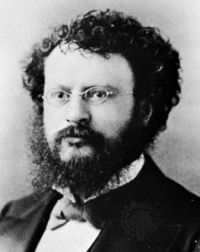
Portrait of John Fiske John Fiske The Presidents of the United States… (1914)

When it was proposed that, under the new constitution, "all men should enjoy the fullest toleration in the exercise of religion, according to the dictates of conscience," Madison pointed out that this provision did not go to the root of the matter. The free exercise of religion, according to the dictates of conscience, is something which every man may demand as a right, not something for which he must ask as a privilege.
Source: Wikisource

Portrait of John Fiske John Fiske The Presidents of the United States… (1914)

In endeavoring to apportion equitably the quotas of revenue to be required of the several states, it was observed that, if taxation were to be distributed according to population, it made a great difference whether or not slaves were to be counted as population. If slaves were to be counted, the southern states would have to pay more than their equitable share into the treasury of the general government; if slaves were not to be counted, it was argued at the north that they would be paying less than their equitable share.
Source: Wikisource

Portrait of John Fiske John Fiske The Presidents of the United States… (1914)

It was one of the longest reaches of constructive statesmanship ever known in the world, and the credit of it is due to Madison more than to any other one man. To him we chiefly, owe the luminous conception of the two co-existing and harmonious spheres of government, although the constitution, as actually framed, was the result of skilful compromises by which the Virginia plan was modified and improved in many important points.
Source: Wikisource

Get perspective with Kwize: daily news enlightened by great literature