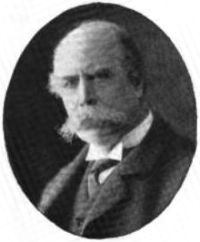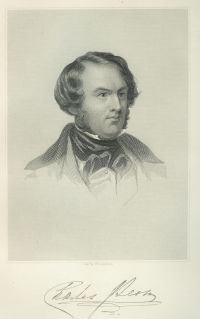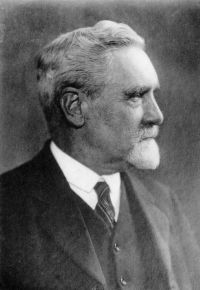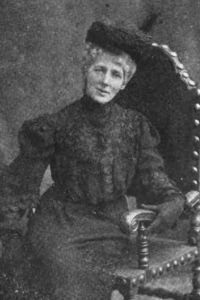
Charles-Maurice de Talleyrand

Definition and stakes

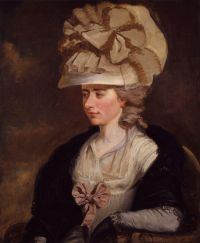
Portrait of Fanny Burney Fanny Burney,  The Diary and Letters of Madame D'Arblay…

“ This is citizen Talleyrand—Charles Maurice de Talleyrand-Prigord, Bishop of Autun. He, too, is now an emigrant, although he came to England in a far different character, as secret ambassador from the Constitutional Government of France ; citizen Chauvelin being the nominal ambassador. On the whole, Talleyrand's diplomacy has not been productive of much good, to himself or others. Back in Paris before the 10th of August, he returned to London in September with a passport from Danton. A questionable man ”
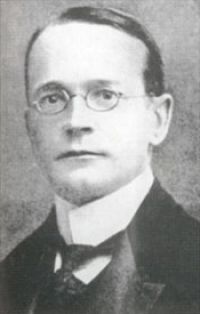
Source: Gutenberg

duchesse de Dorothée Dino,  Memoirs of the Duchesse de Dino…

“ On Sundays and great festivals M. de Talleyrand was always present at mass when he was at Valençay; on his two patron saints' days, St. Charles and St. Maurice, he was also present, and would have felt hurt if the vicar had not come to say mass at the Château. His behaviour in chapel 170 was entirely proper, and notwithstanding his infirmity he would always kneel down at the right moment. If there was no mass, if people came late or made a noise, he noticed it as being improper. During mass he read attentively either the Funeral Orations of Bossuet or his Discourse upon Universal History. ”
Source: Gutenberg

active 19th century M. Colmache,  Reminiscences of Prince Talleyrand…

“ However, all evil, as well as good, must cease in time, and Providence has granted for our consolation that, as the one must have an end, so shall the other not endure for ever; and thus, about three years after the arrival in the village of the little Archambault, his brother Charles Maurice did at length behold the countenance of one of his own kith and kin. The youngest brother of his father, the Bailli de Talleyrand, capitaine des galères, and knight of Malta, had just returned174 from a cruise. ”
Source: Gutenberg

Get perspective with Kwize: daily news enlightened by great literature