Summary

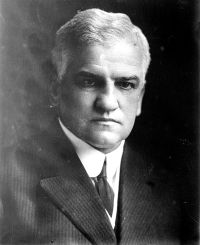
Portrait of John Hessin Clarke John Hessin Clarke New York v. New Jersey (256 U.S. 296…

Considering all of this evidence, and much more which we cannot detail, we must conclude that the complainants have failed to show by the convincing evidence which the law requires that the sewage which the defendants intend to discharge into Upper New York Bay, even if treated only in the manner specifically described in the stipulation with the United States government, would so corrupt the water of the bay as to created a public nuisance by causing offensive odors or unsightly deposits on the surface or that it would seriously add to the pollution of it.
Source: Wikisource

Portrait of John Hessin Clarke John Hessin Clarke New York v. New Jersey (256 U.S. 296…

The Passaic river rises in the northeasterly part of New Jersey and empties into Newark Bay. High land separates its watershed from direct drainage into the Hudson river or New York Bay, and on the lower 25 miles of it there are located the cities of Paterson, Passaic, and Newark, and also a number of such large towns that the population upon and near to the river is treated throughout the record as approximately 700,000 in 1911, when it was thought the sewer would be completed, and as likely to be about 1,650,000 in 1940, to which year it was designed to furnish adequate sewerage capacity.
Source: Wikisource

Portrait of John Hessin Clarke John Hessin Clarke New York v. New Jersey (256 U.S. 296…

As to the United States: The intervention of the Government was allowed upon allegations that the inadequate treatment of the sewage proposed would result in injury to navigation and commerce; by causing deposits of solid matter, to the extent of thousands of tons annually, which would fill up and shallow the channels of the bay; by rendering the port of New York less serviceable and attractive to commerce and offensive and unwholesome to persons using and living near it
Source: Wikisource

Get perspective with Kwize: daily news enlightened by great literature