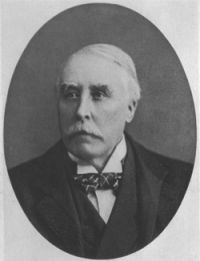
John Hollingshead

John Hollingshead

Summary

Portrait of John Hollingshead John Hollingshead 1911 Encyclopædia Britannica (1911)

The patent houses defended their rights when they were attacked by the “minor” and “saloon” theatres, but they often acted in the spirit of the dog in the manger. While they pursued up to fine and even imprisonment the poachers on their dramatic preserves, they too often neglected the “legitimate drama” for the supposed meretricious attractions offered by their illegitimate competitors. The British theatre gravitated naturally to the inn or tavern. The tavern was the source of life and heat, and warmed all social gatherings.
Source: Wikisource

Portrait of John Hollingshead John Hollingshead 1911 Encyclopædia Britannica (1911)

The same and only law still exists for those who are helping to keep a “disorderly house,” but there are no holders of exclusive dramatic patent rights to set it in motion. The abolition of this privileged monopoly was effected about this time by a combination of distinguished literary men and dramatists, who were convinced, from observation and experience, that the patent theatres had failed to nurse the higher drama, while interfering with the beneficial freedom of public amusements.
Source: Wikisource

Portrait of John Hollingshead John Hollingshead 1911 Encyclopædia Britannica (1911)

With the Canterbury Hall, and its brother the Oxford in Oxford Street—a converted inn and coaching yard—built and managed on the same lines by Mr Charles Morton, the music halls were well started. They had imitators in every direction—some large, some small, and some with architectural pretensions, but all anxious to attract the public by cheap prices and physical comforts not attainable at any of the regular theatres.
Source: Wikisource

Get perspective with Kwize: daily news enlightened by great literature