Summary

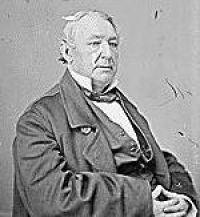
Portrait of John Law John Law Money and trade considered (1750)

The use of banks has been the best method yet practised for the increase of money. banks have been long used in Italy, but as I am informed, the invention of them was owing to Sweedland. their money was copper, which was inconvenient, by reason of its weight and bulk; to remedy this inconveniency, a bank was set up [Pg 65] where the money might be pledged, and credit given to the value, which past in payments, and facilitate trade.
The Dutch for the same reason set up the bank of Amsterdam. their money was silver, but their trade was so great as to find payments even in silver inconvenient.
Source: Gutenberg

Portrait of John Law John Law Money and trade considered (1750)

If all import, and foreign expence were discharged, Scotland would then be so much richer, as there was bullion or money imported: but, if that prohibition be supposed, Scotland would be richer by keeping the money at the value it has; because, a greater quantity would be brought in, to buy the same quantity of goods.
If we could be supposed to be without any commerce with other nations, a 100 lib. may be allayed and raised to have the same effect in trade as a million: but, if a stranger were suffered to come to Scotland, he might purchase a great part of the land or goods with a small sum.
Source: Gutenberg

Portrait of John Law John Law Money and trade considered (1750)

Money is not a pledge, as some call it. it’s a value payed, or contracted to be payed, with which ’tis supposed the receiver may, as his occasions require, buy an equal quantity of the same goods he has sold, or other goods equal in value to them: and that money is the most secure value, either to receive, to contract for, or to value goods by; which is least liable to a change in its value.
Silver money is more uncertain in its value than other goods, so less qualified for the use of money.
Source: Gutenberg

Get perspective with Kwize: daily news enlightened by great literature