Summary

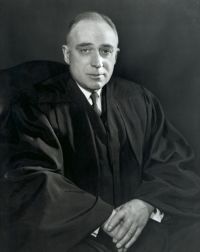
Portrait of John Marshall Harlan II John Marshall Harlan II Hoag v. New Jersey — Opinion of the Court

The State called five witnesses: the three victims named in the indictment, and two other persons, Dottino and Yager. Dottino and Yager were also victims of the robbery, but they were not named in the indictment. All the witnesses, after stating that they were in Gay's Tavern on September 20, testified to the elements of a robbery as defined in the New Jersey statute: [1] that they were put in fear and that property was taken from their persons. The petitioner, who claimed that he was not at the tavern on the fateful day and testified to an alibi, was the sole witness for the defense.
Source: Wikisource

Portrait of John Marshall Harlan II John Marshall Harlan II Hoag v. New Jersey — Opinion of the Court

Petitioner further contends that his conviction was constitutionally barred by 'collateral estoppel.' His position is that because the sole disputed issue in the earlier trial related to his identification as a participant in the Gay's Tavern robberies, the verdict of acquittal there must necessarily be taken as having resolved that issue in his favor. The doctrine of collateral estoppel, so the argument runs, is grounded in considerations of basic fairness to litigants, and thus for a State to decline to apply the rule in favor of a criminal defendant deprives him of due process.
Source: Wikisource

Get perspective with Kwize: daily news enlightened by great literature