Summary

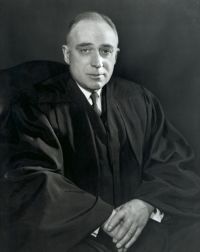
Portrait of John Marshall Harlan II John Marshall Harlan II United States v. Calamaro — Opinion of the Court

By definition the 'numbers game' is among the wagering transactions included in the statute.
At the outset we must understand some professional gambling terminology which has been given us by the parties. A numbers game involves three principal functional types of individuals: (1) the 'banker,' who deals in the numbers and against whom the player bets; (2) the 'writer,' who, for the banker, does the actual selling of the numbers to the public, and who records on triplicate slips the numbers sold to each player and the amount of his wager
Source: Wikisource

Portrait of John Marshall Harlan II John Marshall Harlan II United States v. Calamaro — Opinion of the Court

Before the pick-up man enters the picture, in such a case as we have here, the wager has been received physically by the writer and, in legal contemplation, by the writer's principal as well. The government recognizes-and in an appropriate case no doubt would insist-that what the writer does in relation to the bettor amounts to 'receiving a wager.' Thus, the government has to argue that the wager is received a second time when the writer hands the yellow slip to the pick-up man.
Source: Wikisource

Portrait of John Marshall Harlan II John Marshall Harlan II United States v. Calamaro — Opinion of the Court

For reasons given hereafter we consider that the Court of Appeals in this case took the correct view of this statute.
The nub of the Court of Appeals' holding was put in the following language, with which we agree:
'In normal usage of familiar language, 'receiving wagers' is what someone on the 'banking' side of gambling does in dealing with a bettor. Placing and receiving a wager are opposite sides of a single coin. You can't have one without the other.
Source: Wikisource

Get perspective with Kwize: daily news enlightened by great literature