Summary

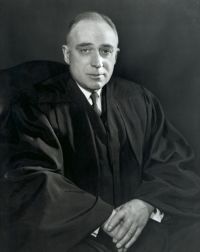
Portrait of John Marshall Harlan II John Marshall Harlan II United States v. California (381 U.S. 139…

Straight Base Lines.-California argues that because the Convention permits a nation to use the straight-base-line method for determining its seaward boundaries if its 'coast line is deeply indented and cut into, or if there is a fringe of islands along the coast in its immediate vicinity,' California is therefore free to use such boundary lines across the openings of its bays and around its islands.
Source: Wikisource

Portrait of John Marshall Harlan II John Marshall Harlan II United States v. California (381 U.S. 139…

We agree with the United States that the Convention recognizes the validity of straight base lines used by other countries, Norway for instance, and would permit the United States to use such base lines if it chose, but that California may not use such base lines to extend our international boundaries beyond their traditional international limits against the expressed opposition of the United States. The national responsibility for conducting our international relations obviously must be accommodated with the legitimate interests of the States in the territory over which they are sovereign.
Source: Wikisource

Portrait of John Marshall Harlan II John Marshall Harlan II United States v. California (381 U.S. 139…

But I am perfectly willing to meet the suggestions of my friends, some of whom have been opponents, and some of whom have been supporters of the joint resolution, to the effect that they would like to have the language more clearly spelled out than it was in the original measure, to the effect that there is no intention whatsoever to grant boundaries beyond 3 geographical miles in either the Atlantic or the Pacific, and that this Congress knows of no possible situation under which greater boundaries are claimed or could be granted in the Gulf of Mexico than 3 leagues
Source: Wikisource

Get perspective with Kwize: daily news enlightened by great literature