Summary

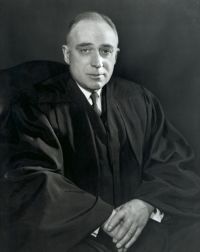
Portrait of John Marshall Harlan II John Marshall Harlan II United States v. Carlo Bianchi and Company…

The term 'substantial evidence' in particular has become a term of art to describe the basis on which an administrative record is to be judged by a reviewing court. This standard goes to the reasonableness of what the agency did on the basis of the evidence before it, for a decision may be supported by substantial evidence even though it could be refuted by other evidence that was not presented to the decision-making body.
Source: Wikisource

Portrait of John Marshall Harlan II John Marshall Harlan II United States v. Carlo Bianchi and Company…

Almost six years later, in December 1954, respondent brought the present action for breach of contract in the Court of Claims, seeking substantial damages and alleging that the decisions of the contracting officer and the Board were 'capricious or arbitrary or so grossly erroneous as necessarily to imply bad faith, or were not supported by substantial evidence.' At a hearing before a Commissioner in 1956, the Government took the position that on the question whether the Board's decision was entitled to be considered final, no evidence was admissible except the record before the Board.
Source: Wikisource

Get perspective with Kwize: daily news enlightened by great literature